What Makes Victorian And Edwardian Windows So Special — And So Challenging?
Quick Answer: The very features that make these homes magical (high ceilings, ornate cornicing, beautiful bay windows) are the same features that make window dressings more complex than in a modern home.
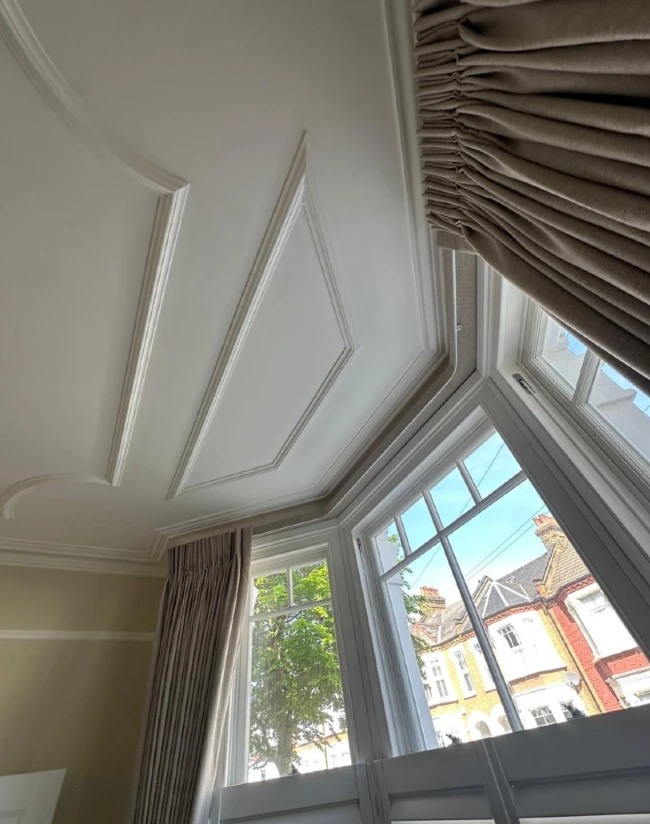
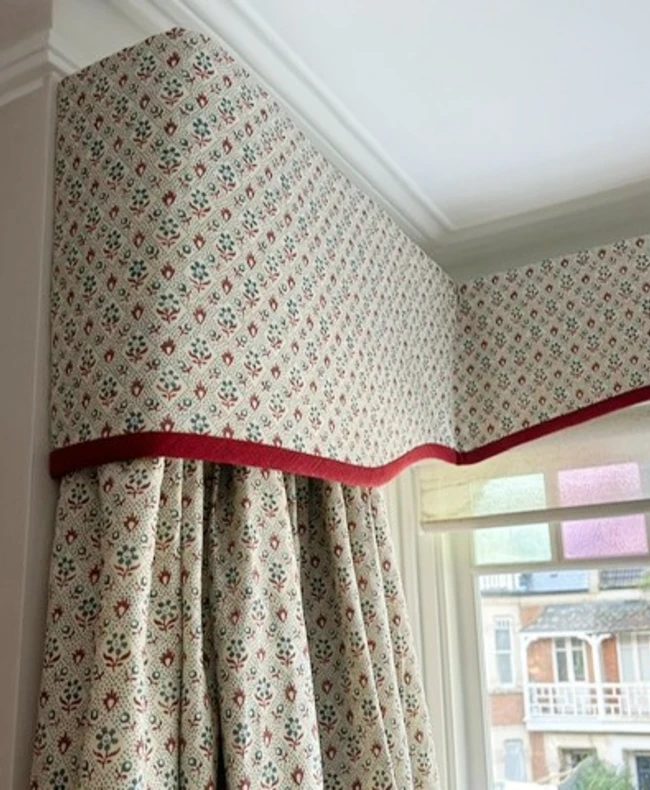
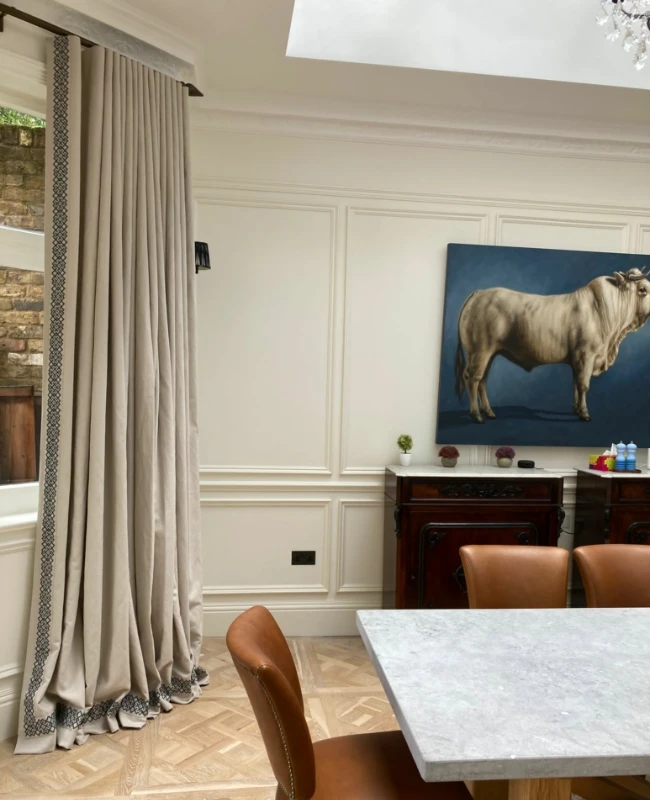
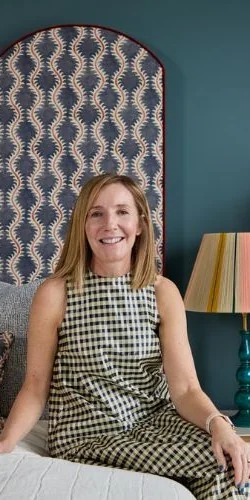
‘The features are what make them special, but also difficult,’ says Katherine Brown, founder of Katherine Brown Curtains and Blinds. ‘Cornices, ceiling height, bay windows, asymmetry, decorative stained glass: period homes have limitations that need managing.’
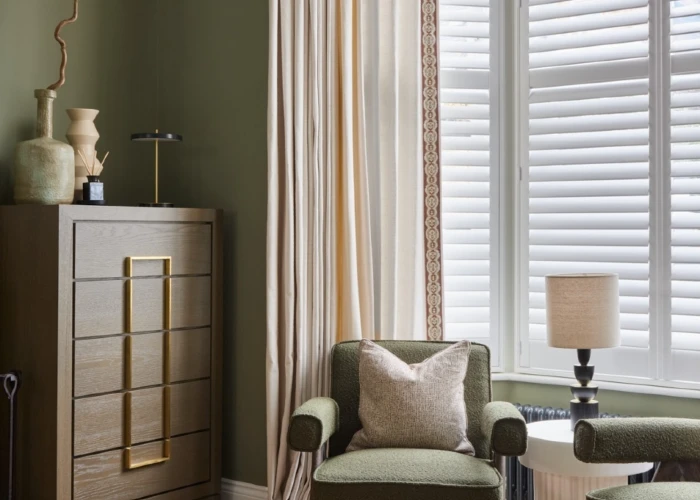
With period property renovations continuing to surge in popularity in 2026, more homeowners than ever are grappling with these beautiful but challenging windows. Victorian homes (built 1837–1901) typically have ornate detailing, darker wood tones, and can accommodate bold colour schemes. Edwardian homes (1901–1910) tend towards lighter, airier interiors. But both share common challenges:
Multiple window styles under one roof, including sash windows, bay windows, casement windows, quirky attic windows, and often contemporary extension windows too
Cornicing that may limit hardware options: where can you actually fit a pole or track? This often requires technical know-how to work out, how and where, to fit the hardware brackets to get the look and function you want
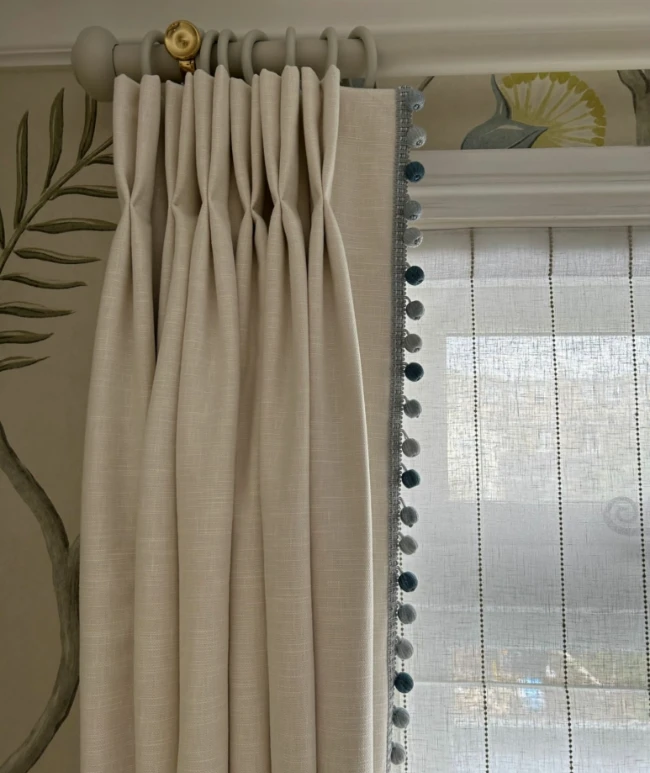
Tight spaces around windows, especially in smaller Victorian terraces where every inch of light matters, make curtain design details such as configuration, heading types, linings etc so important
Nothing being straight: floors slope, walls bow, window frames aren’t level, professional measuring can really help
‘Designed properly, and considering all the elements such as furniture positioning and room usage, curtains can do a brilliant job of hiding imperfections and accentuating the beauty and quirkiness of your period home’ Katherine explains. ‘Curtains can do so so much, but hardware choice is critical.’