Soft Furnishings 101: Discover How Top Designers Use Layering Techniques To Create Extraordinary Interiors

Creating the perfect interior isn’t just about making a series of isolated decisions. Experts have a fail-safe system you can use, and I’ll share it with you now. By mastering this system, you can avoid costly and disappointing mistakes in your home.

The Power Of Layering In Interior Design

Layering is a key technique in high-end interior design. It adds depth, texture, and warmth, making a space feel intentional and thoughtfully designed. The key surface areas to consider are paint colours, wallpapers, flooring, window dressings and soft furnishings.

1. Start With Your Biggest Surface Area – Your Walls

This is your number one layer, but it can be multiple layers because you can paint walls, ceilings, and woodwork in different colours, which creates depth and a more decorated look. (People often forget the ceiling and default to white, which is definitely a missed opportunity!). Ensure you are completely happy with your paint colours before moving on to step 2.

2. Next Step – The Floor

Flooring is clearly a big surface area, but don’t get too hung up on it! Changing it is a big task, and it may be part of your plan. If not, do not worry.

I often refer to existing flooring like a favourite pair of jeans—you don’t think you must wear blue every time you put your jeans on, so don’t stress about the floor colour too much.

The floor is likely to be at least partly obscured by furniture and is not generally in your eyeline anything like as often as walls and windows.

3. Now, The Window Dressings

After the walls and floors, these are your biggest opportunities to make an impact. What you do here will make the wall colours come alive.

To pattern…

Creating a top-end interior is all about balance. Think about your surface areas and how you will mix plains and patterns to achieve balance. Adding patterns is a great way to make sense of and make your paint colours pop. They can help create that lovely layered look and a considered and joyful interior.
An easy way to confidently choose curtain fabric is to find a pattern incorporating your paint colour to help anchor the scheme.

…or not to pattern.

If you prefer to use plain fabrics for your window dressings, make sure the fabric works tonally with your paint colour. For example, a grey with a lot of red in it and a grey with a high percentage of blue will always look wrong together, even if you’re not quite sure why.

Textures and trimmings offer many opportunities to create depth and interest to plain fabrics. Some textures are a bit dry, others more shiny, and these will set a feeling—do you want it to be luxurious or natural and relaxed? Mixing light and dark colours is a great way to create depth.

It’s not just about the fabric when it comes to curtains and blinds

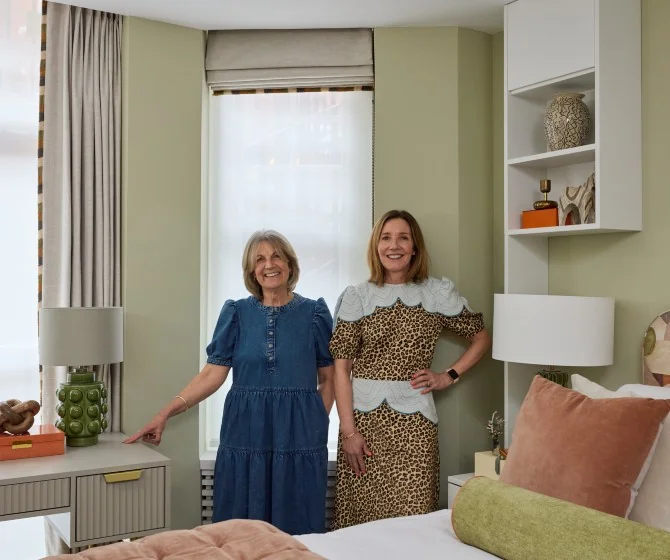
Don’t forget that layering different curtains and blinds together presents a brilliant and rewarding opportunity to create a thoughtful and engaging view of a key architectural feature.

Curtains serve aesthetic and practical functions, from framing a window elegantly to providing privacy and insulation.

Consider layering your window dressings for a plush, layered effect:

  • Sheer and Opaque Layers: Sheer curtains offer soft light diffusion during the day, while heavier lined curtains provide privacy and warmth at night.
  • Double Curtain Poles or Tracks: These allow for easy layering of two different fabric types, creating a multi-dimensional look.
  • Roman Blinds and Curtains: Roman blinds add structure, while full-length curtains soften the overall aesthetic to create a sophisticated feel.

In our recent Chiswick project, interior designer Alex Meachen used layering to create inviting yet super stylish spaces.
See the project.

At our Wood Farm project, we made window dressings, headboards and cushions for the talented Millie Turner Designs who uses layering to create extraordinary spaces.
See the project.

soft furnishings 101

4. Soft Furnishings – The Ultimate Layering

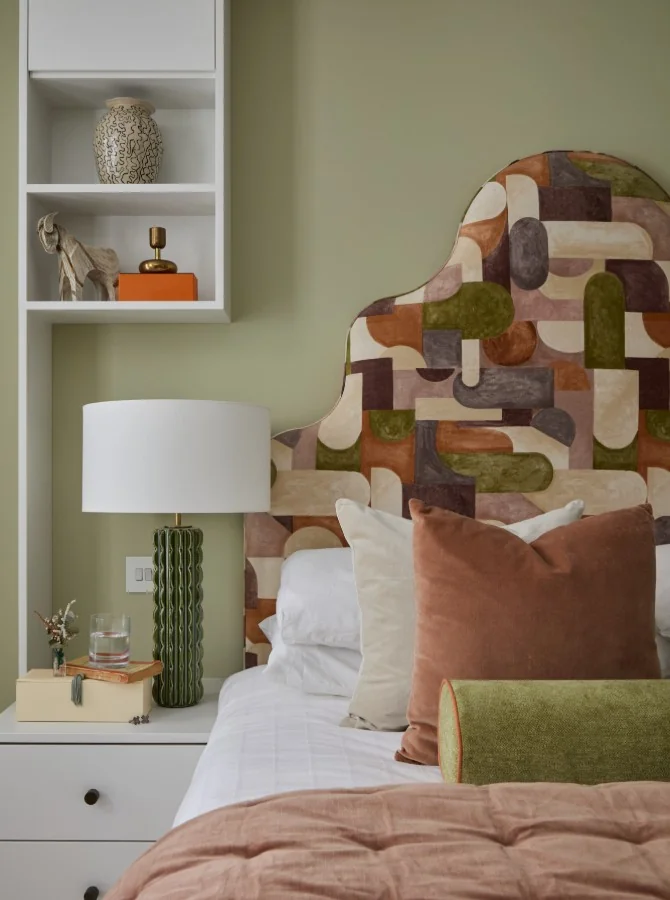
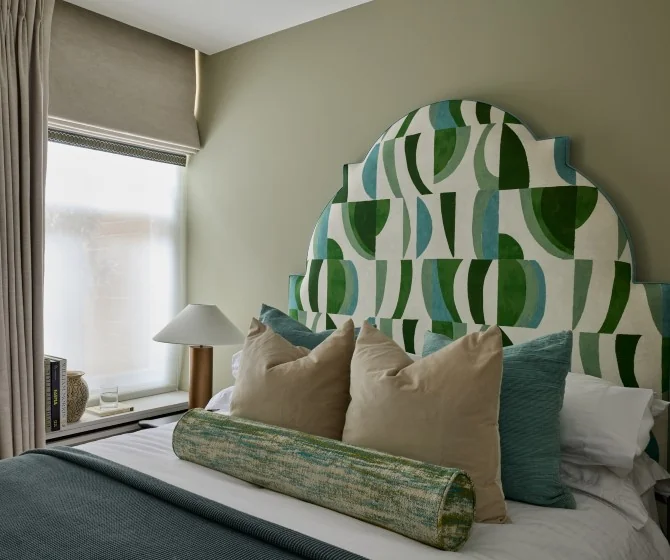
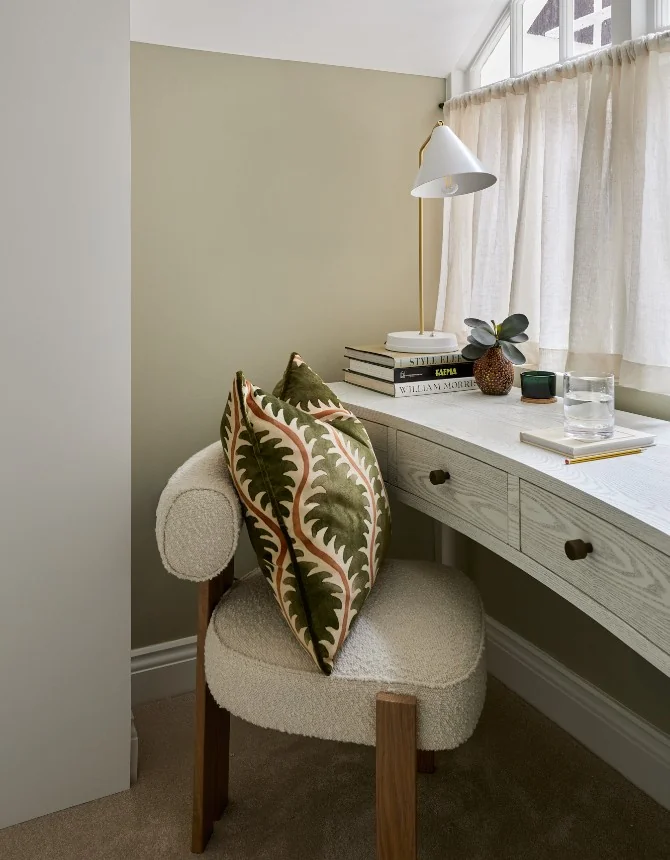
Many of our clients feel more confident about using bold patterns on smaller items such as headboards, occasional chairs, and cushions.

In such instances pattern plays a really important card in terms of defining a space – e.g. a patterned headboard can create the focal point in a bedroom or patterned occasional chairs in a living room can create an inviting seating area.

Colour and fabric selection set the foundation for a sophisticated design.

When layering curtains and other soft furnishings:

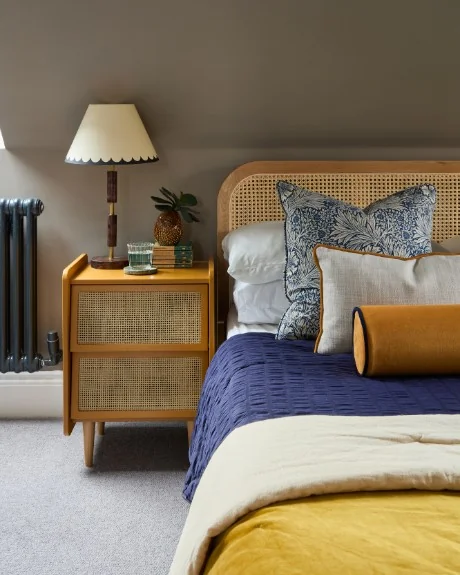
  • Stick to a Cohesive Palette: Choose complementary or tonal shades to create harmony. Neutral curtains with accent cushions in bold hues can add interest without overwhelming the space.
  • Mix Textures: Pairing velvet curtains with silk or linen cushions adds contrast and sophistication.
  • Introduce Patterns Thoughtfully: If your curtains have a strong pattern, opt for solid-coloured cushions or subtle prints to maintain balance.
  • Have Fun With Trimmings: Look for opportunities to inject more interest with braids, brush fringes and tassels to create the perfect finishing touch.

Conclusion

The art of layering soft furnishings lies in the careful balance of colour, texture and proportion. By thoughtfully combining paint colours, window dressings and soft furnishings, you can create a cohesive and joyful interior that feels both stylish and inviting. Whether you prefer a bold, dramatic look or a serene, neutral palette, the right layering techniques will elevate your space effortlessly.

If this feels daunting, get in touch.

Let us guide and inspire you with ideas and tips for creating your perfect space.
Get the look